
Automatic License Plate Readers (ALPRs)
If you haven't heard about the big and growing controversy about automatic license place readers (ALPRs) showing up in towns across the country, you may have noticed the new cameras going up on stand-alone black poles with solar panels or traffic light poles. ALPRs are fundamentally different from standard traffic enforcement cameras. These cameras track not only your license plate, but your vehicle make, model, defects, bumper stickers, and the driver. Sold for tracking vehicles and helping law enforcement catch criminals more effectively, these cameras not only track the details of your vehicle, but also people and their details such as skin color and clothing. They monitor everyone who passes them and logs them into a private company's database, accessible without a warrant, by law enforcement officials everywhere in the country, even outside state jurisdictions. Data from these in Florida are shared with ICE via our Florida’s Fish and Wildlife Conservation Commission, who has a history of working with law enforcement officers (LEOs) on warrantless searches using Driver And Vehicle Information Database (DAVID) to track citizens who speak up against corruption at town halls, along with their friends and family.
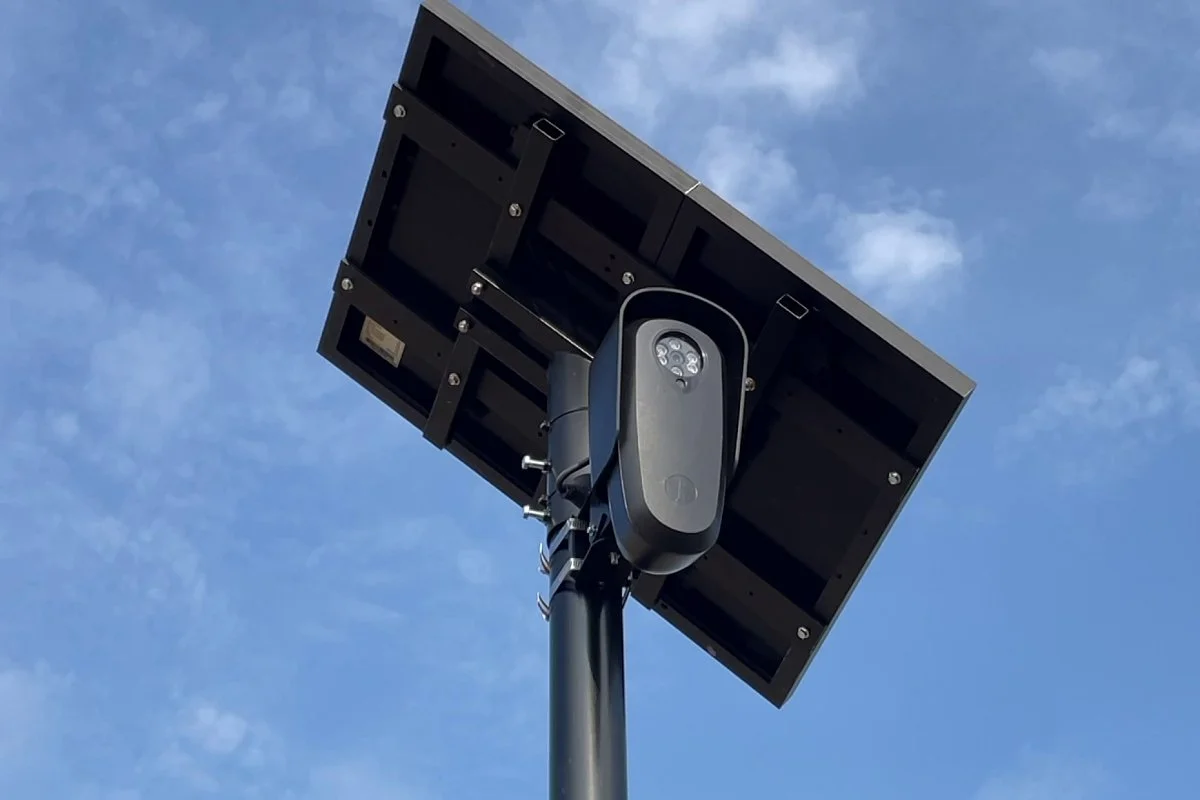
A Flock camera setup, image courtesy of deflock.org.
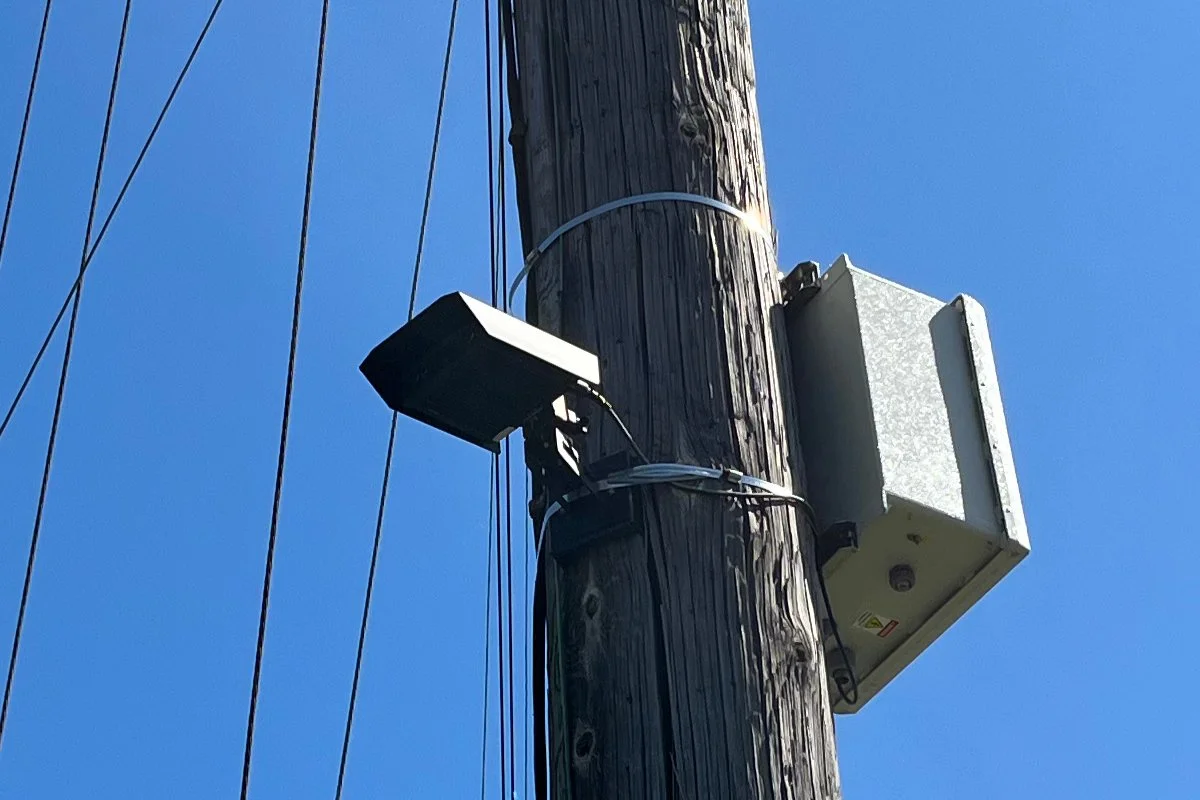
A Motorola ALPR, image courtesy of deflock.org.
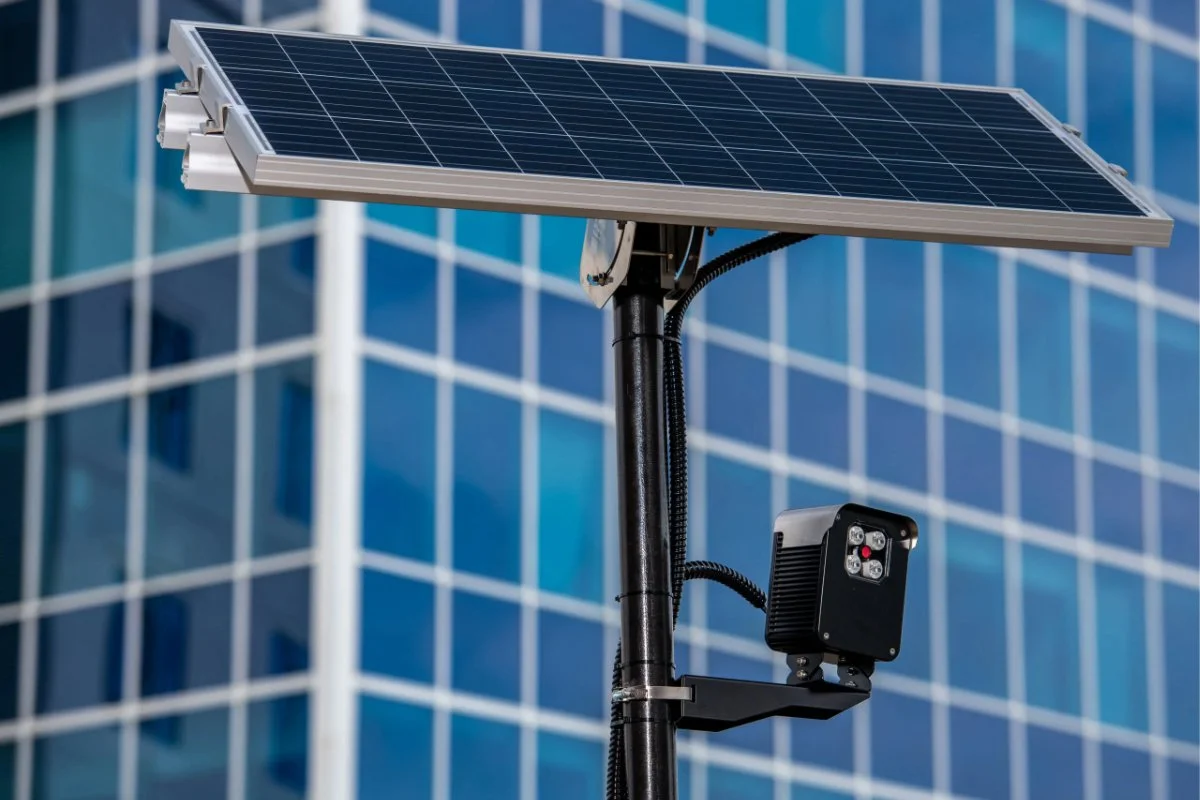
A Leonardo ALPR, image courtesy of deflock.org.
As endless funding pours into companies like Flock, Axon, Motorola, and Leonardo, the last one which is developing technologies like SignalTrace to increase ALPR surveillance. SignalTrace tracks your mobile device's Bluetooth and Wi-Fi serials, along with RFIDs and even pet chip IDs. This is saved into the same database with all the information provided from the ALPRs which helps LEOs track who you ride with, who you may be related to, or even what type of devices you have.
Increasingly, more and more LEOs are being caught using this technology not just in FL alone, to track their exes and stalk them (see LOVEINT). The data is also used to track women who leave states seeking abortion procedures, immigrants, and protestors. Being AI-driven, they are built around predictive policing, which has been proven to not work due to its foundation in racial profiling. There are numerous cases of innocent people being apprehended at gunpoint (and https://www.eff.org/deeplinks/2024/11/human-toll-alpr-errors) because of identification errors from ALPRs, and LEOs not doing due diligence before taking action.
Citizens all across the political spectrum have begun taking action against these cameras: forcing their legislators to act, or via direct action such as taking them down, covering them, and even destroying them. The companies provide the literature LEOs use to persuade local councils and state officials to sign off on these very expensive, leased invasions of privacy, with these decisions made with no input from the public.
We are protected against warrantless searches via our Fourth Amendment right, but these private companies and local officials that sign up with them refuse to acknowledge that.
If elected to the state Senate, Jason pledges to sponsor or co-sponsor legislation similar to California’s SB10, which would establish strict state-level limits on ALPR surveillance, such as data-deletion rules and use restrictions as well as creation of a model policy for local agency use and audits of ALPR database searches to ensure that people’s privacy is being protected. Further, Jason commits to not taking PAC money from any of the private interests who have a stake in this legislation.